Our Programmes
At BALSK, we concentrate on key areas such as sustainable livelihoods, reproductive health and nutrition, education, gender equality, disaster risk reduction, and community involvement in local capacity-building efforts. Our approach is to empower communities so that they can support one another for the long haul. We see ourselves as facilitators, believing that true transformation and development come from within the community itself.
SOCIO-ECONOMIC DEVELOPMENT OF WOMEN THROUGH SELF HELP ACTION AND PARTICIPATION IN LOCAL SELF GOVERNANCE (previously implemented)
(PACS Programme supported by the UK Government’s Department for International Development, “DFID”)
INTEGRATED APPROACH OF HEALTH, DISASTER MANAGEMENT , CLIMATE CHANGE AND SOCIO-ECONOMIC IMPROVEMENTS (currently running)
(Misereor, Germany)
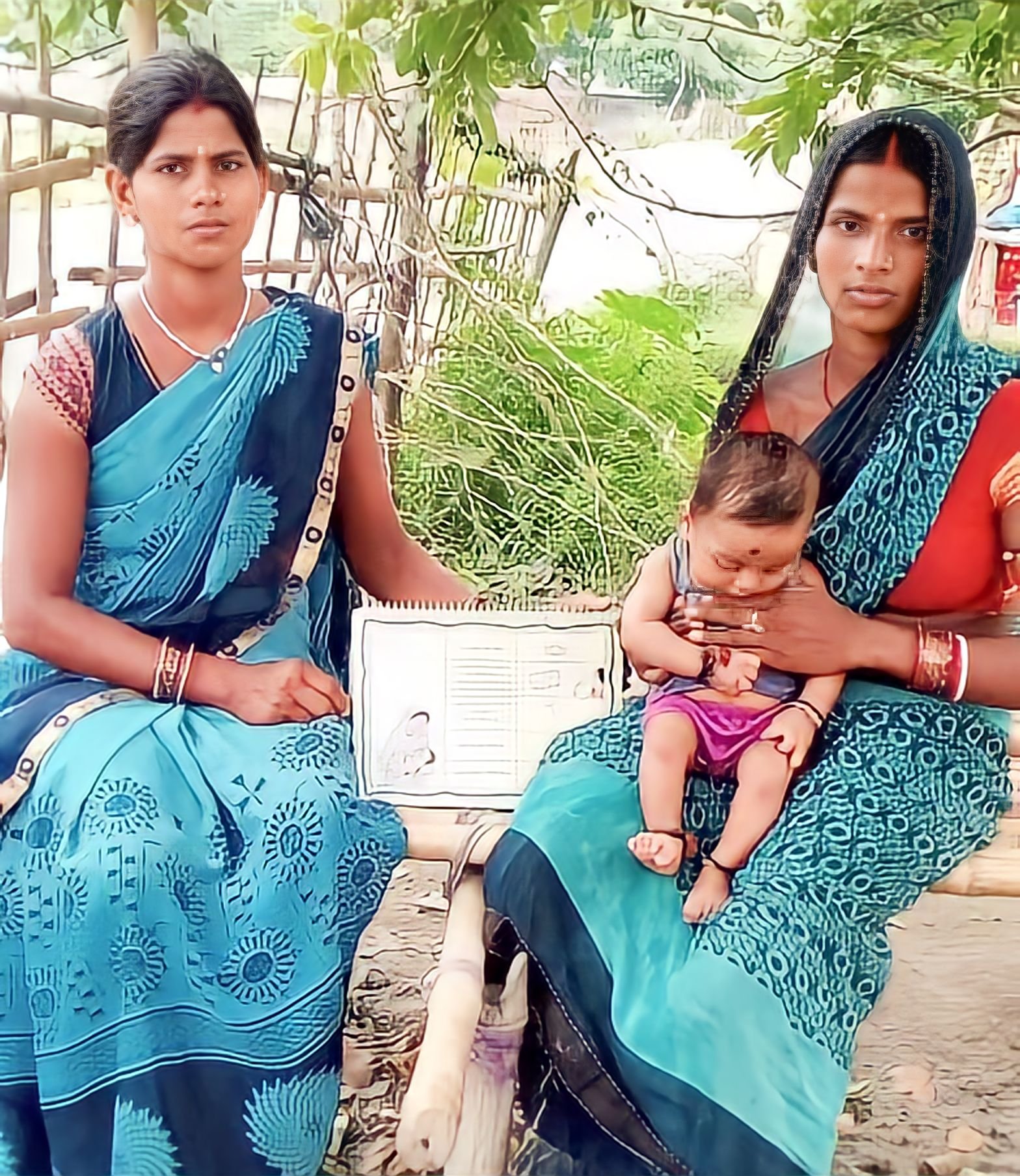
Misereor assigned BALSK for undertaking various interventions for community-based village development programs on the issues of health, disaster management, climate change for socio-economic improvements of the unserved village populations. In this project, 30 villages of Chhatapur block in Supaul district in Bihar were covered. The issues of reproductive health and sexual behavior of the target groups with enhanced disaster management capacity and climate change adaption practices surface as a distinguished concern corner in this project.
Key Highlights:
- 75% of adolescents (boys and girls) are now aware of the minimum age of marriage (18-21 years). They are aware of its ill effects.
- Beginning to understand the physical and mental changes in adolescence.
- 65% of pregnant mothers got tested at the Anganwadi Kendra.
- 63% of women now understand the importance of birth intervals.
70% of people now become aware of the potential dangers of disaster and its prevention.
SMALL SCALE SUPPORT DEVELOPMENT PROGRAMME FOR THE POOREST (previously implemented)
(TRICKLE UP, USA)
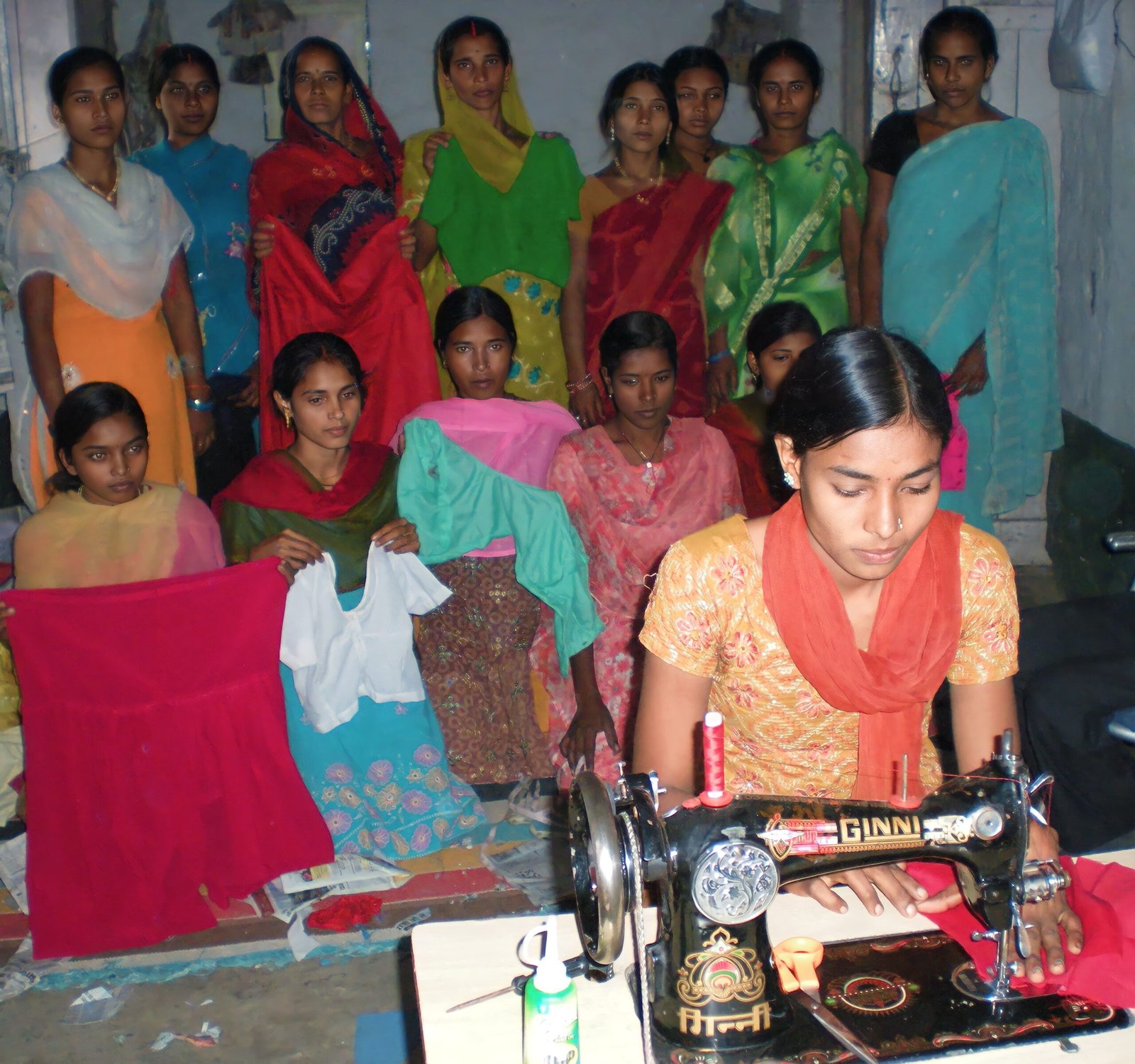
This special programme helps women take a series of steps on the path toward greater economic self-sufficiency. First, women are carefully selected through a participatory process and join a self-help group (SHG) of other women from their villages. They receive a grant to start business activities such as opening a small shop, rearing chickens or goats, or weaving garments they can sell at local markets. They learn to save, access credit, build skills, and support one another as peers. Women in the program also receive one-on-one coaching, which is important for building confidence and developing livelihood plans for the future. Participants successfully diversified their livelihood activities, reduced reliance on wage labor, and reduced household migration, while increasing their income and assests.
MENTAL HEALTH AND DEVELOPMENT (previously implemented)
(Support from NBJK)
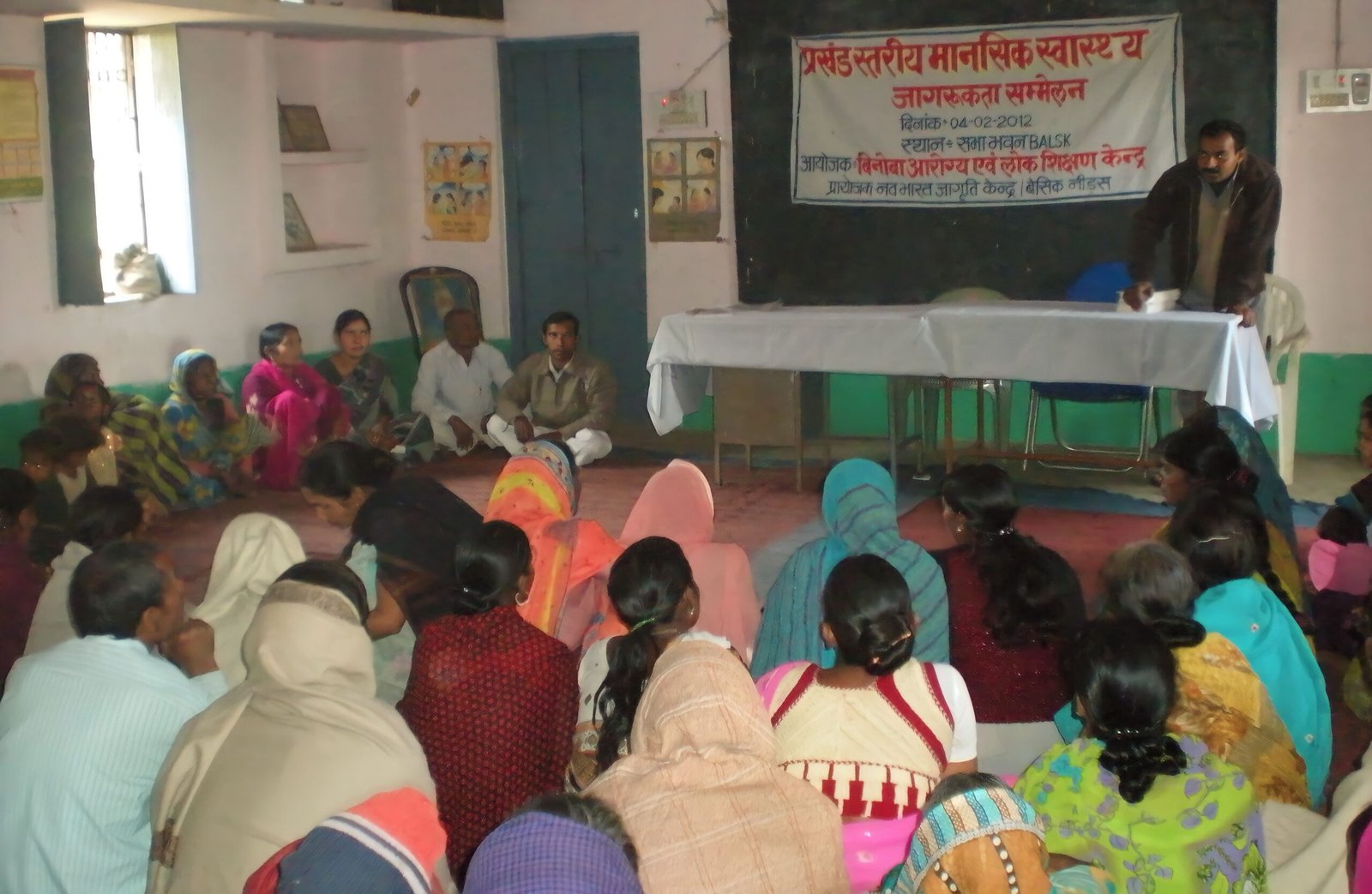
The program considers mental health as a developmental issue and envisions that basic needs of persons with mental illness are to be met with their basic rights respected. It covers Islampur Block of Nalanda District. Capacity building of mentally ill people including their caretakers, community and staff involved with the program is the concern being addressed by demonstration of practice and evidence based policy influencing. Every month 3 outreach camps in Bihar with support of private psychiatrists while 2 camps in Jharkhand with collaboration of RINPAS, Govt. of Jharkhand has enabled 1307 persons with mental illness to avail free treatment with regular follow up and their database maintained. BasicNeeds/DFID, UK supports to execute the program.
PAHEL: WOMEN ON THE MOVE (previously implemented)
(Centre for Catalyzing Change (c3))
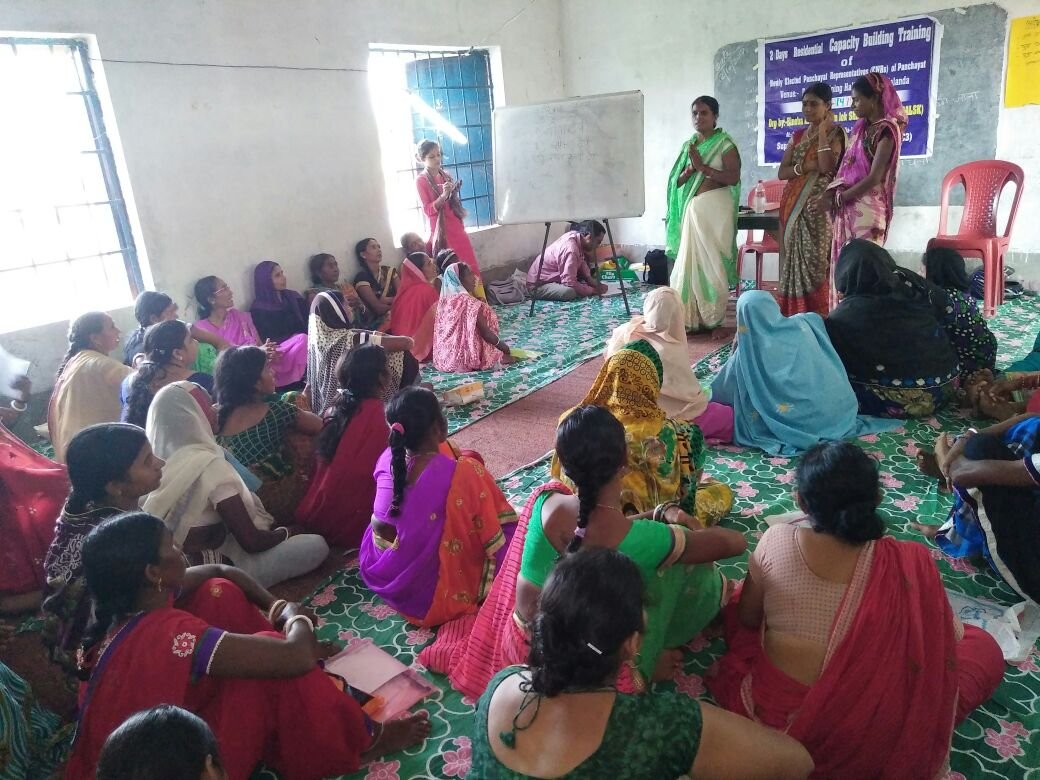
As a project partner of C3, BALSK has implemented PAHEL Project from July 2017 to August 2020 in 2 blocks namely Roh and Warsaliganj blocks in Nawada district in Bihar covering a total of 30 panchayats and 157 revenue villages. This Special Programme aim to empower EWRs in project area by strengthening their voice, participation, leadership, and influence of EWRs within the Panchayati Raj system in order to bring about social change on issues that affect women, particularly family planning/reproductive health (FP/RH) and related issues like girls’ education and age of marriage.
Key Highlights:
- Through this program, we have mentored over 100 women leaders in project area.
- 49% increase in women leaders raising family planning, reproductive health, and girls ‘education related issues in panchayats.
- Two-fold increase in women leaders participation in panchayat meetings.
- 24% increase in women leaders’ interaction with local health service providers.
INCLUSIVE DEVELOPMENT AND INSTITUTIONAL BUILDING THROUGH SUSTAINABLE LIVELIHOOD (previously implemented)
(CASA, New Delhi)
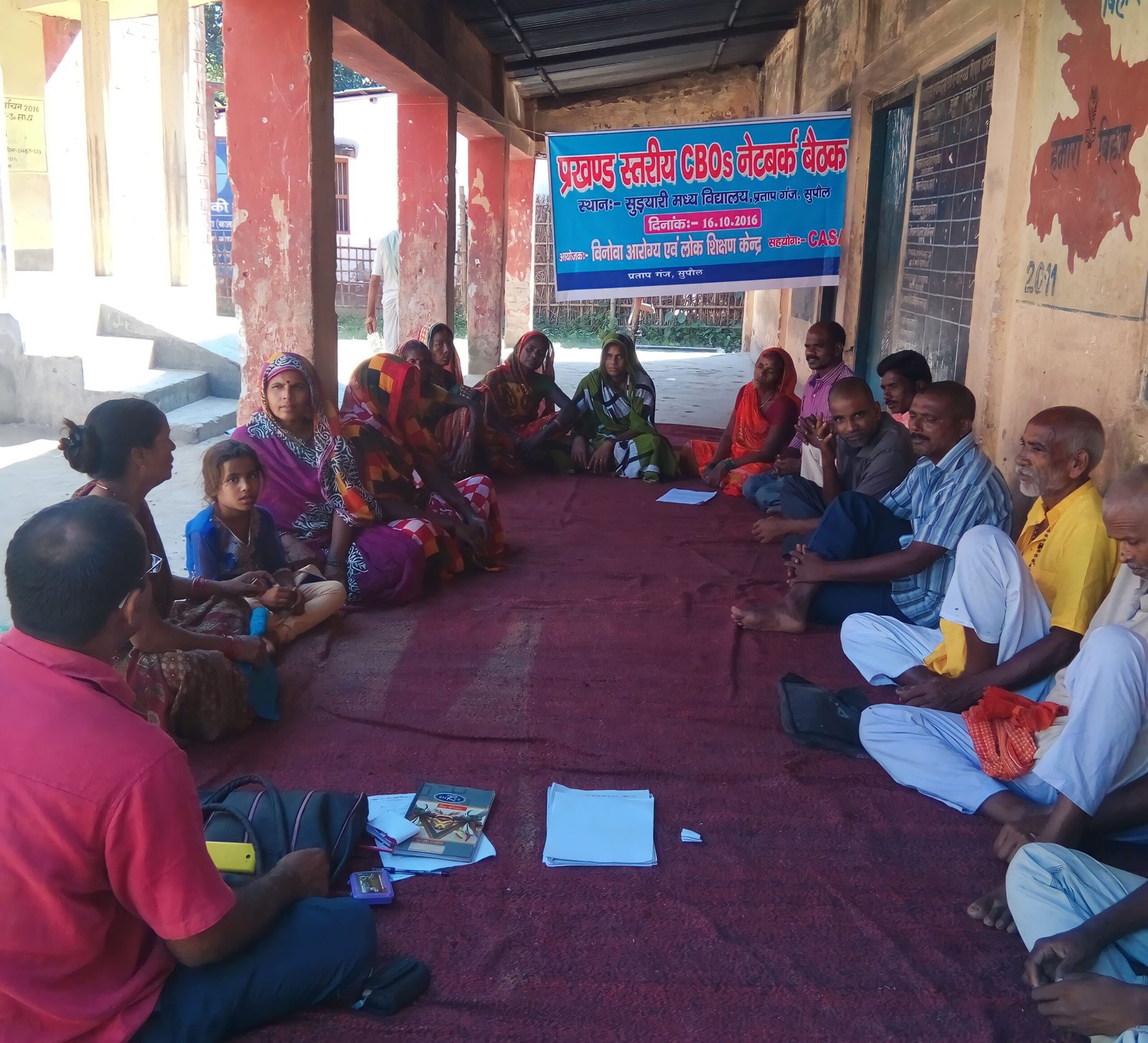
BALSK has been supported by CASA for improving the socio-economic status of Dalit and Mahadalits population through leadership development , developed DRR and livelihood opportunities in 10 village/tolas of the Tekuna and Suryapur Panchayats of the Partapganj Block.
Under this program, BALSK have attempted to provide detailed information to the project beneficiaries about the details of the social security schemes and others many schemes how they can get benefits of these schemes and ensured proper implementation of social security schemes and employment guarantee schemes. Specially focoused on mainstreaming of socially excluded communities, their mobilization, women leadership building, institutionalization of groups, and change at different levels and also Strengthen their capacity and knowledge on Disaster Risk Reduction which will further help them to survive and cope up with the situations.There has been an increased participation of youth, women and Gram Sabhas. Leaders actively participate in decision making micro planning and gram sabha meeting. Strengthened community based organisations, which has led to emergence of a large number of grass-root organisations of men and women facilitating development & change.
ADVANCING YOUNG PEOPLE’S SEXUAL AND REPRODUCTIVE HEALTH AND RIGHTS (previously implemented)
(Pathfinder International)
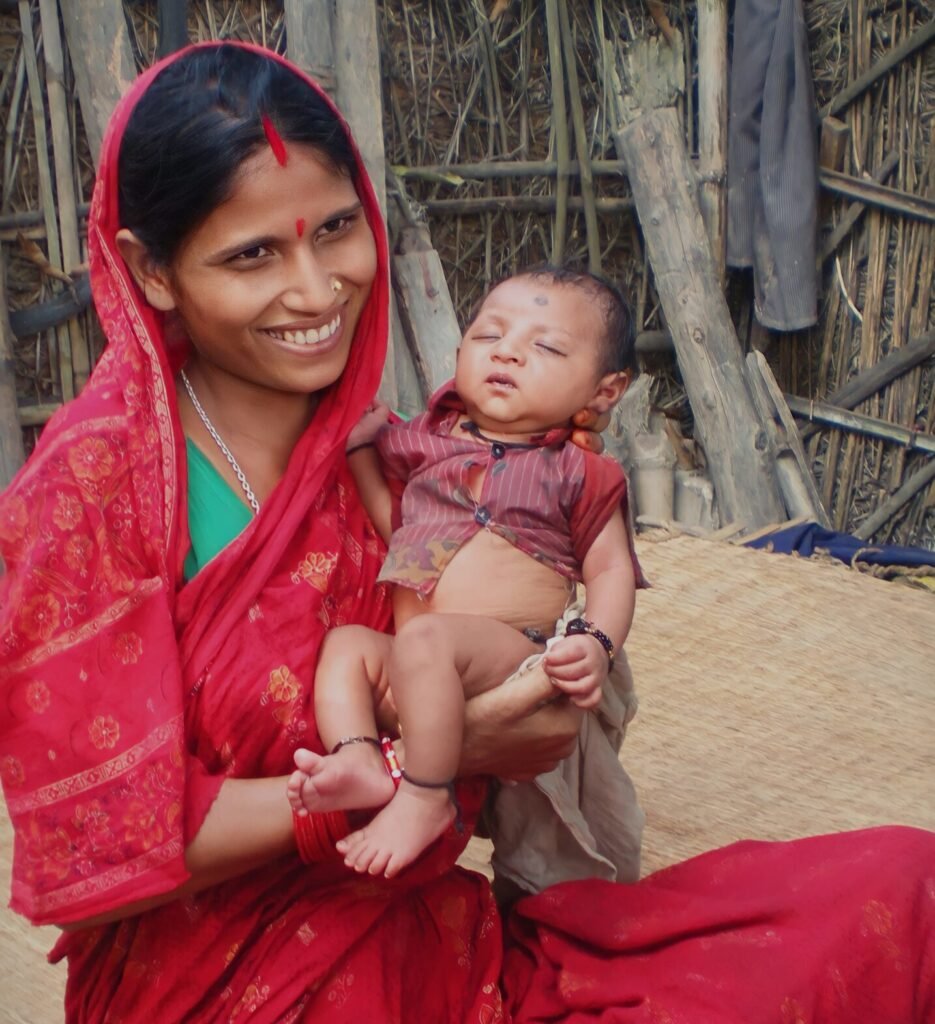
Between July 2003 and August 2012, BALSK implemented the Promoting Change in Reproductive Behavior of Adolescents (PRACHAR) project with the support of Pathfinder International to improve the sexual and reproductive health (SRH) status of adolescents and young couples in the Nalanda and Gaya District of Bihar. Project was Implemented in three phase.
Phase I: A Comprehensive Behavior Change Intervention
Phase I trained unmarried adolescents using developmentally appropriate SRH and gender-related curricula, with each sub-group trained separately (young girls aged 12–14, adolescent girls aged 15–19, and adolescent boys aged 15–19). Content and exercises focused on providing basic AYSRH education, as well as building agency and the communication and negotiation skills needed to make healthy decisions. For adolescents around the common age of marriage in project area (15 years old), training included discussion of the health, social, and economic benefits of delaying marriage and childbearing, birth spacing, and small family size. Training also equipped young people with strategies to resist societal pressures to marry and conceive at a young age.
Young married men and women experienced the intervention in a variety of ways. Newly married couples participated in “newlywed welcome ceremonies,” combining education and entertainment to improve SRH knowledge, build life skills, and promote couples’ communication and joint decision making. Female change agents conducted home visits to young married women at various stages of pregnancy and parity to provide SRH education and counseling. Home visits created a space for one-on-one dialogue about contraception and related issues, and provided the social support necessary to nurture behavior change as a woman transitioned from one life stage to the next. Themes brought up in home visits were reinforced during group meetings, also held by female change agents with young women with one child, and those in their fi rst or second pregnancy. Men were reached via male change agents who held group meetings focusing on SRH education and gender issues, encouraging male involvement and couples’ joint decision making.
Phase II: Preparing for Scale
Phase II was designed to: further explore some of the key outcomes of Phase I; evaluate different intervention components and their effects over varying lengths of time; and assess the sustainability of behavior change beyond the intervention period. Phase II added new district Gaya to its coverage. Combined results from Phases I and II demonstrated that home visits and engaging both male and female partners in a couple were most influential in increasing contraceptive use, and that AYSRH training of 15–19-year-olds could influence age at marriage and childbearing.
Phase III: Testing Scalability
Phase III focused on scaling up a streamlined model of PRACHAR over three years in Gaya, the largest district in Bihar. In addition to providing technical assistance for quality implementation, Phase III aimed to further investigate the effect of standalone AYSRH training for 15–19-year-olds.
Employ a life stage-appropriate and audience-segmented approach: BALSK implemented targeted strategies to engage adolescents and young couples at various stages of life and parity, as well as their parents and parents-in-law, with specific activities tailored to their age, gender, and role in influencing behavior change.
Engage gatekeepers: In Project area, young people have very little autonomy and decision-making power. BALSK therefore engaged parents and parents-in-law, as well as other community leaders, who greatly influence adolescents’ future marriage and childbearing. Home visits, community meetings, and events stressed the importance of HTSP and delaying marriage for the health of young couples and their children, and particularly the rights of young people in SRH decision making. Apply a gender-synchronized approach: Targeting both boys and girls, and husbands and wives, to challenge harmful and restrictive gender constructions that hinder health and wellbeing is critical for effective SRH programming. BALSK applied these lessons and targeted young men and women—both separately and together as newlyweds—to improve knowledge, skills, and behaviors for HTSP.
BALSK has been recognized as a model NGO for Prachar Project in Nalanda district. People have visited to the project from Ethiopia to see the model established by BALSK.
CLOTH FOR WORK (previously implemented)
(Goonj, New Delhi)
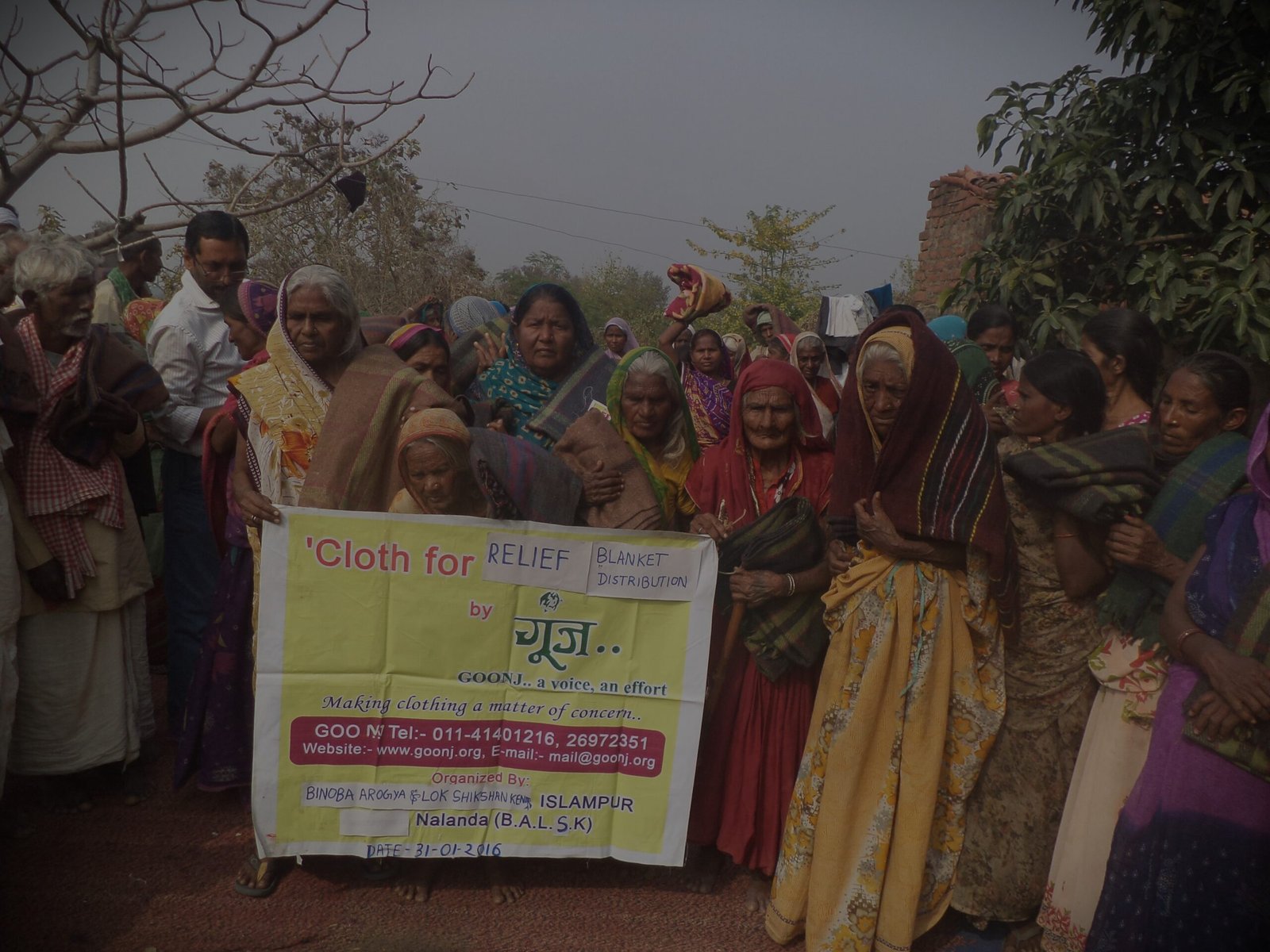
BALSK with the support of Goonj, works on turning old material as a resource for hundreds of rural development activities. Communities have dug up wells, have done bunding of acres of land, developed small irrigation canals, built drainage systems, built village schools and have taken up massive exercises of repairing roads, developing water harvesting systems to cleaning up water bodies. All these works are done but by making people understand their own community power and giving usable old material as a reward.
BUILDING COMMUNITY RESILIENCE (previously implemented)
(Swayam Shikshan Prayog (SSP), Pune)
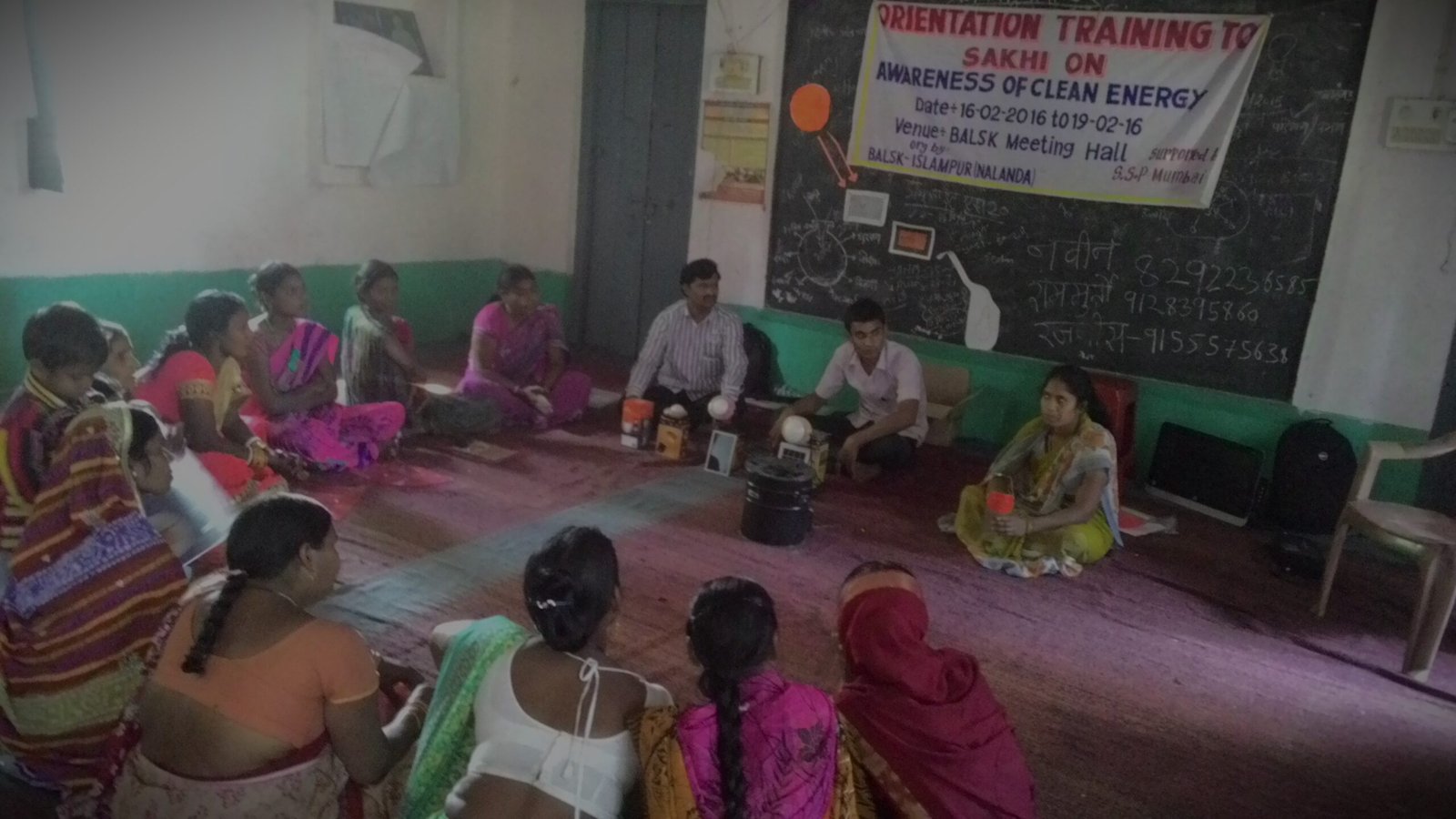
BALSK implemented the Disaster Risk Resilience program by joining hands with SSP Pune in islampur block of Nalanda district. We rushed on to strengthen grassroots capacities, climate change adaptation, and also worked on disaster risk reduction, through the promotion of women’s leadership. Women farmers were provided with agriculture-based skill training with the help of Krishi Samvad Sahayaks. BALSK has also conducted capacitybuilding workshops with the purpose of promoting low-cost models of organic farming, organic manure, vermicompost production and compost pits for solid waste management, along with climate pliable farming techniques, use of organic pesticides.
FOOD FOR WORK (previously implemented)
(CASA, New Delhi)
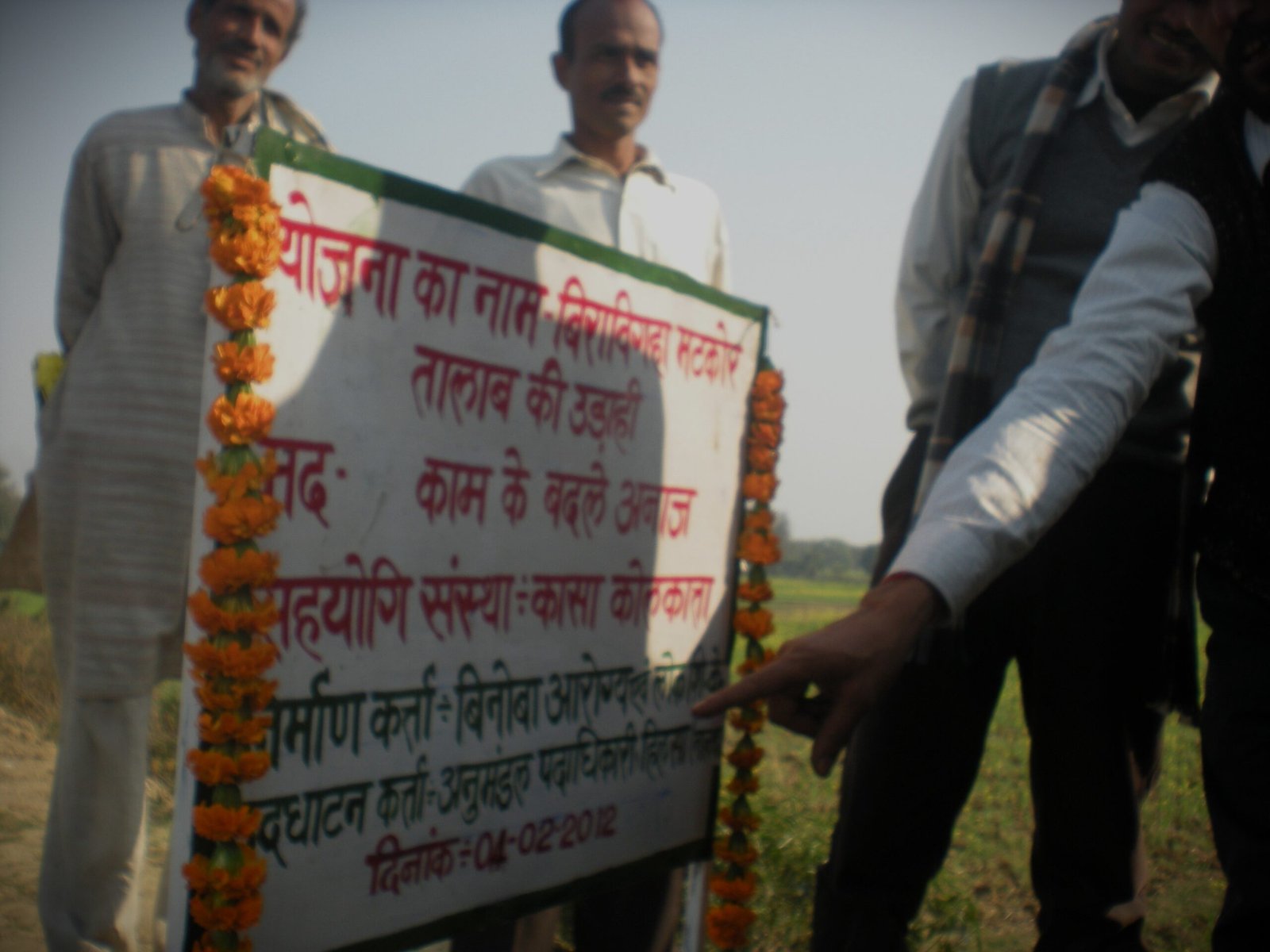
CASA has supported BALSK through the Humanitarian Aid Fund under Diakonie Katastrophenhilfe (DKH). The programme is supported by DKH, Germany-an organisation that provides humanitarian aid worldwide. It supports people who have fallen victim to natural disasters, war and displacement and the ones who are not able to cope up in the emergency situations. BALSK worked with vulnerable communities such as the reverse migrants, the dalits and the tribals.
Transform Lives with BALSK – Donate Today
Make a lasting impact—support BALSK and help transform lives through education, opportunity, and care. Your donation today can change someone’s tomorrow.